
Sherlock Holmes is undoubtedly one of the most well-known fictional characters in the world. People would with ease conjure up an image of a tall British sleuth striding between the smoggy alleys of London. He’s known to help royalty and paupers alike, those of foreign descent without prejudice and even foils German attempts at espionage. So it is really not surprising that he survived through the tumultuous world wars, pandemics and economic depressions of the 20th century to provide escapism and intrigue even a century later.
I was first introduced to the Sherlock Holmes franchise from his adventures in the Young Sherlock Holmes series by Andrew Lane. Being of a similar age to the 14-year-old Sherlock, I found the impetuous, arrogant but loyal protagonist instantly likeable and a great companion through my own adolescence. Inevitably, a few years later I encountered BBC’s Sherlock and CBS’s Elementary. These modern portrayals had me yearning for the source material. Finally, I got hold of the original canon, through Audible’s Sherlock Holmes: The Definitive Collection narrated by Steven Fry.
Now, as I approach the end of the fifty-six short stories and four novels by Sir Arthur Conan Doyle, I thought I might write about this timeless franchise.
But who to write about?
The detective has likely been dissected in every conceivable manner by minds far superior to my own. So naturally, I turned to ever-present Watson for inspiration. While Sherlock took the spotlight, Watson was always thought of somewhat as a foil; he is someone to provide Doyle with a medium to allow Holmes to show his workings- indeed it would have been a very strange story if instead Sherlock was seen waltzing through the streets of London conversing with a skull! Regardless, Watson was a doctor, and being a medical student a thought occurred to me:
How good of a doctor was Dr John Watson really?
To answer this question, we shall delve into Watson’s medical career and appraise his competence whilst exploring contemporary medicine of the 19th century.
The adventures of John Watson
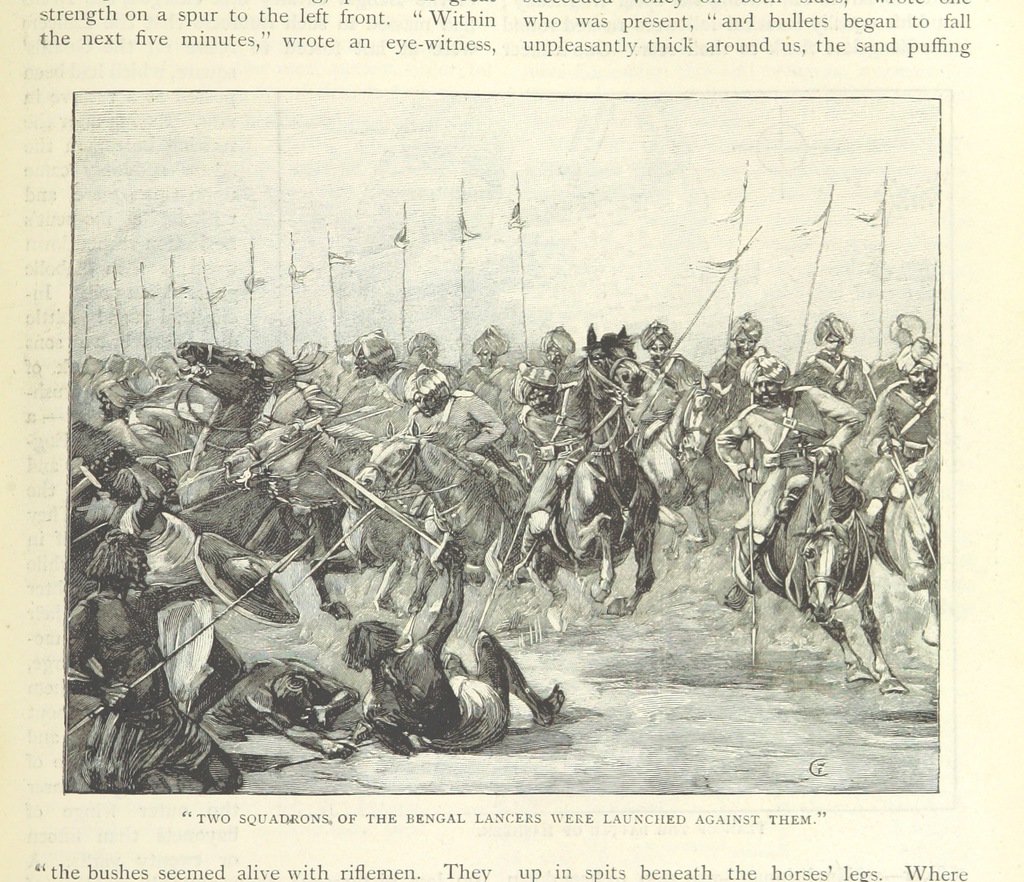
John H. Watson was born into a successful family in England. He had a successful education allowing him to gain a degree in medicine from the University of London before he moved to Netley to train as an army surgeon. He worked as an assistant surgeon with the Fifth Northumberland Fusiliers before being deployed with the Berkshires where he was injured and barely escaped with his life. While recovering from his injuries he develops enteric fever forcing a hasty return to England. However, the fates finally favour him when he sets foot in the Criterion bar, heralding his partnership with the eccentric detective.
Seven years after his association with the detective, John Watson bought Dr Farquhar’s practice, whose practice was declining due to his affliction with St Vitus’ Dance; an insensitive name to describe the dance-like choreic movements that afflicted patients can exhibit after a streptococcal infection. Regardless, Watson was confident enough in his abilities to get the practice back to its former heights. He was correct, for in 1889, Watson remarks in The Engineer’s Thumb, how his practice was steadily increasing. An example he gives is his curing of a Railway Guard from ‘painful and lingering disease’ leading to the guard advertising our good doctor’s prodigious medical skills. In the Mazarin Stone, it was noted that John Watson had callers hourly seeking his medical acumen, clearly suggesting his proficiency as a medical practitioner.
He went on to have two further practices with hiatuses along the way. Although Dr Watson was a competent medical practitioner, at times he only seemed to have been in the profession to secure his own finances. His association with Sherlock as his confidant and scribe may have had a greater sense of identity for him over his medical vocation as evidenced by an 8-year professional hiatus in the height of his association with Sherlock.
Contemporary medicine
So, what can be expected of Dr Watson’s medical competencies? We’ll briefly look at the rapid advances in 19th-century medicine to answer this. The turn of the century saw vaccinations being popularised. The acceptance of the anaesthetic properties of ether in the 1840s were allowing much safer surgeries. John Snow’s contribution to the epidemiological investigations of cholera outbreaks in London paved the way for the 1875 Public Health Act. This Act spearheaded state responsibility in public health improving sanitation and safe waste disposal. The 1850s-1900 also saw the acceptance of Germ theory thanks to the works of Louis Pasteur and Joseph Lister.
Arthur Conan Doyle, Sir or Dr?
As a medical man himself, Sir Author Conan Doyle penned the initial Sherlock Holmes short stories between the waiting times of his ophthalmology clinics. He completed his Doctor of Medicine (M.D.) degree. He practised General Practice for a short period rather uneventfully, albeit with reasonable success. He stopped practising medicine at the age of thirty-two, only nine years in practice after his failures into the forays of ophthalmology. (1) This was the time when he threw himself into his creative work.
His ideas of what makes a good general practitioner can be inferred in his reflections of other works which had a medical fiction focus:
Dr Winter’s “…mere presence leaves the patient with more hopefulness and vitality.” “That Dr Winter is of more avail than all the drugs in his surgery. Dying folk cling to his hand as if the presence of his bulk and vigour gives them more courage to face the change; and that kindly, wind-beaten face has been the last earthly impression which many a sufferer has carried into the unknown.” (2) Conan Doyle clearly values a GP as a compassionate individual rather than one who is the most medically skilled or equipped.
Emergence of the General Practitioner
Through the 16th century, there emerged three guilds providing medical care. The Oxford or Cambridge university-educated physician; the surgeon-barber who dirtied their hands with bloody operations; the apothecaries who initially started as groceries that peddled potions for common ailments. While the former was in the minority and served the affluent populations, the surgeons and apothecaries rubbed their hands together, to serve at the front lines of the nebulous population. The surgeons and apothecaries eventually amalgamated in the mid-18th century to become the surgeon- apothecaries thus, becoming what we now recognise as General Practitioners. A nod to this convergence is still seen in our language, where we call a General Practice ‘the surgery’.
Insights Conan Doyle offers us are startling as they can also seamlessly reflect modern practice so accurately:
He acknowledges “… it is hard for the general practitioner who sits among his patients both morning and evening, and sees them in their homes between, to steal time for one little daily breath of cleanly air. Things shoot across him, and he gets a glimpse of them, only to recall them, perhaps, at some quiet moment [of reflection].”(2) This is exactly the sentiment that modern GPs face where their days are fast-paced and personal time is wrought with doubt over the clinical decisions of the day.
Conan Doyle predicted that ‘preventative medicine will develop until old age shall become the sole cause of death.’ This is a sobering quote as it highlights the stodgy progress we’ve made in this long-known adage that ‘prevention is better than cure’ as while GPs are increasingly recognising the importance of health promotion, they are increasingly finding themselves embedded in the management of more preventable conditions.
Watson in action
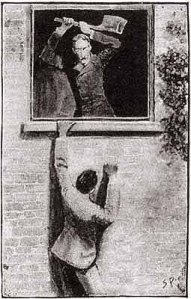
In the Engineer’s Thumb, Watson treated an amputated thumb wound- he sponged, cleaned, and dressed it with carbolised bandages. So here we have Watson’s army surgeon training kicking in, providing timely acute trauma care backed with evidence-based medical techniques as demonstrated by Dr Watson’s use of the Listerian antiseptics that had only been invented a decade ago. As a novice medical student, I can only detect two deficiencies in Dr Watson’s clinical care: the lack of sutures for such traumatic injury as an amputated digit and considering the duration of the wound, the lack of empirical antibiotics. But for the latter, I need to remind myself that the Victorian era was still yet to see the fruits of Sir Alexander Fleming’s discovery.
Another display of his trauma training can be seen in The Adventure of the Copper Beeches where the army surgeon manages to stabilise Mr Rucastle’s canine inflicted neck wound. Thanks to his efforts, Rucastle emerges out of the affair of his own doing with his life but as an invalid.
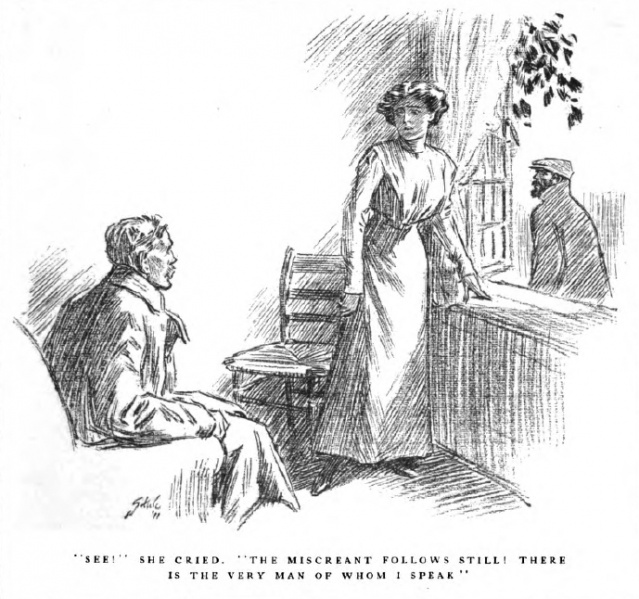
In the Disappearance of Lady Frances Carfax, our heroes find Lady Frances chloroformed in a coffin. She had suffered suffocation due to being trapped within the fumes of chloroform, and for thirty minutes it seemed that the lady “had passed the last point of recall”. However, thanks to our good doctor’s efforts of artificial respiration, injected ether and “every device science could suggest” he managed to revive the lady.
Chloroform was historically used as an anaesthetic agent in surgery and lowered respiratory effort so it is conceivable that artificial respiration (i.e., mouth to mouth) would be life-saving. So all is well, Dr Watson saved Lady Carfax admirably!
But I remember having to do a mental somersault when I heard the use of IV ether! Diethyl ether (simply known as ether) was another well-known anaesthetic agent at the time. It is the basic molecule that our modern inhalational anaesthetics derive from(isoflurane/sevoflurane/desflurane).
So, what are two potential pitfalls of Dr John Watson’s emergency drill, here?
Firstly, giving a highly sedated patient an agent that will further reduce her consciousness along with: reducing airway reflexes risking airway blockage; increasing secretions which risks aspiration and infection. Secondly, giving an inhalational anaesthetic by an incorrect route. These mistakes could have been critical and endangered patient safety. Most likely, Lady Carfax’s recovery stemmed from the chloroform simply being eliminated from her body rather than the good doctor’s efforts.
In the Adventure of the Illustrious Client, we once again rely upon Watson’s medical acumen. The serial womaniser Baron Adelbert Gruner is attacked with vitriol by one of his victims; vitriol is an antiquated term for sulphuric acid. The acid was eating into everything and ‘dripping from ear and chin. With one eye already white and glazed’ and the other ‘red and inflamed.’
Watson jumps to aid his patient with no regard for his own safety, rinsing off the acid with a ‘carafe’ of water. He then ‘bathed his face in oil, put cotton wadding on the raw surfaces, and administered a hypodermic of morphia.’
Without any contemporary mainstay burn treatments, we’ll have to judge Watson’s treatment to modern standards. As with any facial burns, this is a medical emergency, especially with ocular involvement! Watson rinsed the Baron’s face with a jug of water; however, current guidelines(5) suggest rinsing under running water or normal saline (if available) for at least 30 minutes to dilute and wash- out the acid but we’ll give Watson the benefit of the doubt.
The chemically inclined of you may ask why we can’t simply neutralise the acid with an alkaline agent, however, this neutralisation reaction is in fact an exothermic reaction leading to second-degree burns. Preventing drying out with the oil and padding, along with the administration of pain relief are reasonable actions. Burns were likely the bread and butter of his army surgeon training so it’s no wonder he is so prompt and capable in providing emergency care to the Baron.
In many instances, Watsons’ involvement was too late to make any real difference to a hanging, shootings, or a snake bite. In the Speckled Band, Conan Doyle even had to invent a fictional snake, the ‘swamp adder’, which inflicted death within ten seconds to ensure that the doctor had no chance of saving the villain!
Aside from such direct medical excerpts of Dr Watson in practice we also see some of the exceptional qualities. In The Man with the Twisted Lip, at the request of his wife’s friend, Kate Whitney he tries to locate her husband in an opium den at peril to both his sleep and health. There is no doubt John is a selfless and brave individual whereupon he is quick to pocket the cold steel of his revolver on dangerous cases to protect Holmes.
Dr Watson faces a GMC panel: Verdict?
Dr John H Watson is certainly well qualified. He holds a degree giving him the knowledge of a physician whilst his military surgical training provides him with the hands-on skills of a surgeon. Although he had an undistinguished medical career within the army, he held three successful General Practices and had glowing reviews from many of his patients. His personality traits can be described as compassionate, selfless, and decisive, all suitable skills for any medical practitioner. His portfolio boasts excellent trauma and burns care which instantly distinguishes him above the average practitioner. The lapse in medical skills we see in Lady Carfax’s case is a rarity for Watson. Any tribunal would be sympathetic that under such stressful and peculiar situations [as finding a living human in a coffin], could just about confound even the best doctor’s judgment.
Thus, I think the Good doctor would indeed survive a GMC hearing with a suggestion to complete a mandatory anaesthesia module, perhaps!
In modern NHS, Britain’s nationalised healthcare system, where GP’s are increasingly burdened with chronic conditions and mental health problems with social roots, Watson may struggle. However, he is nothing if not adaptable so there is no doubt he can quickly transition into a competent doctor. I could imagine Watson working as a Portfolio GP perhaps mixing his practice hours with A/E shifts and medical journalism.
Concluding remarks
As confessed by Conan Doyle in his autobiography, he shaped Sherlock in the image of his former university surgical professor, Joseph Bell whose deductive skills in the diagnosis of his patients’ ailments were thought to be legendary. While John Watson seems to have been inspired by his GP assistant, James Watson. (4)
If both Sherlock and Watson were doctors, I would imagine them as being at two poles of the spectrum: Sherlock the intelligent, cold, and logical specialist diagnostician and Watson the reliable and warm generalist companion. This was likely my own pull towards medicine as the perfect doctor is one who can amalgamate both the ‘art’ and ‘science’ of medicine with logic and empathy. Now, as I find my next six weeks filled with GP ‘surgery’ placements, I am sure I will carry these caricatures with me as I find myself between these poles.
Reference
(1) Shulman, M., 2021. Arthur Conan Doyle and the romance of medicine – Hektoen International. [online] Hekint.org. Available at: <https://hekint.org/2018/06/05/arthur-conan-doyle-and-the-romance-of-medicine/>.
(2) Chong, A., 2021. Dr Arthur Conan Doyle: the first portfolio GP?. [online] British Journal of General Practice. Available at: <https://www.ncbi.nlm.nih.gov/pmc/articles/PMC3809410/ Dr Arthur Conan Doyle: the first portfolio GP?>.
(3) Corfield, P., 2021. From Poison Peddlers to Civic Worthies: The Reputation of the Apothecaries in Georgian England. [online] Available at: <https://academic.oup.com/shm/article/22/1/1/1623630>.
(4) Hilton, C., 2021. John Watson – The Good Doctor? by Dr Craig Hilton. Improbablepress. Available at: <https://improbablepress.com/blogs/improbable-press/john-watson-the-good-doctor-by-dr-craig-hilton>.
(5) Bates, A. and Zanaboni, A., 2022. Ocular Burns. [online] Ncbi.nlm.nih.gov. Available at: <https://www.ncbi.nlm.nih.gov/books/NBK459221/>.
 The Swashbuckler's Tales